Innovation Camp 12 – 14 February 2026
Innovation Camp: practical solutions in just one day
Innovation Camp 12 – 14 February 2026
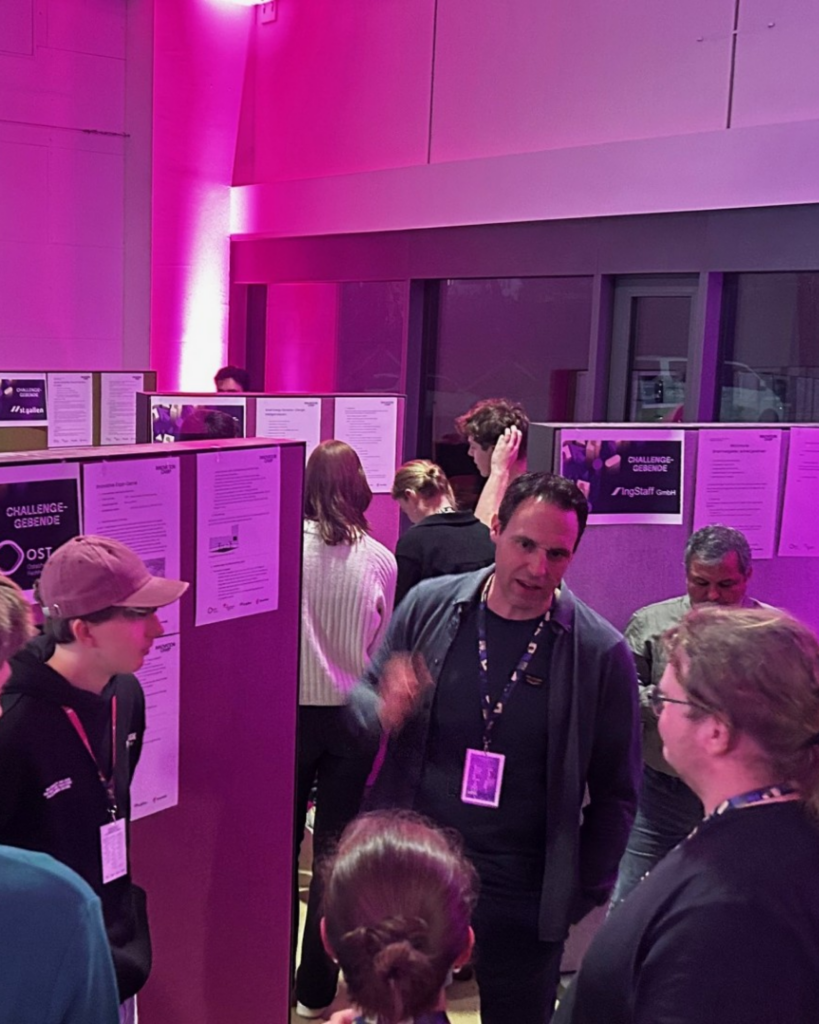
From February 12 to 14, 2026, students and pupils gathered at the OST Innovation Park for the Innovation Camp. Daniel Schippers, Christian Schmid, and Elias Götte represented our company as challenge setters and presented a specific task. The topic: “GPS to Green.”
Three intense days
👫 82 enthusiastic participants.
⁉️ 13 challenge setters.
🫵 16 presentations.
🏆 3 winning teams.
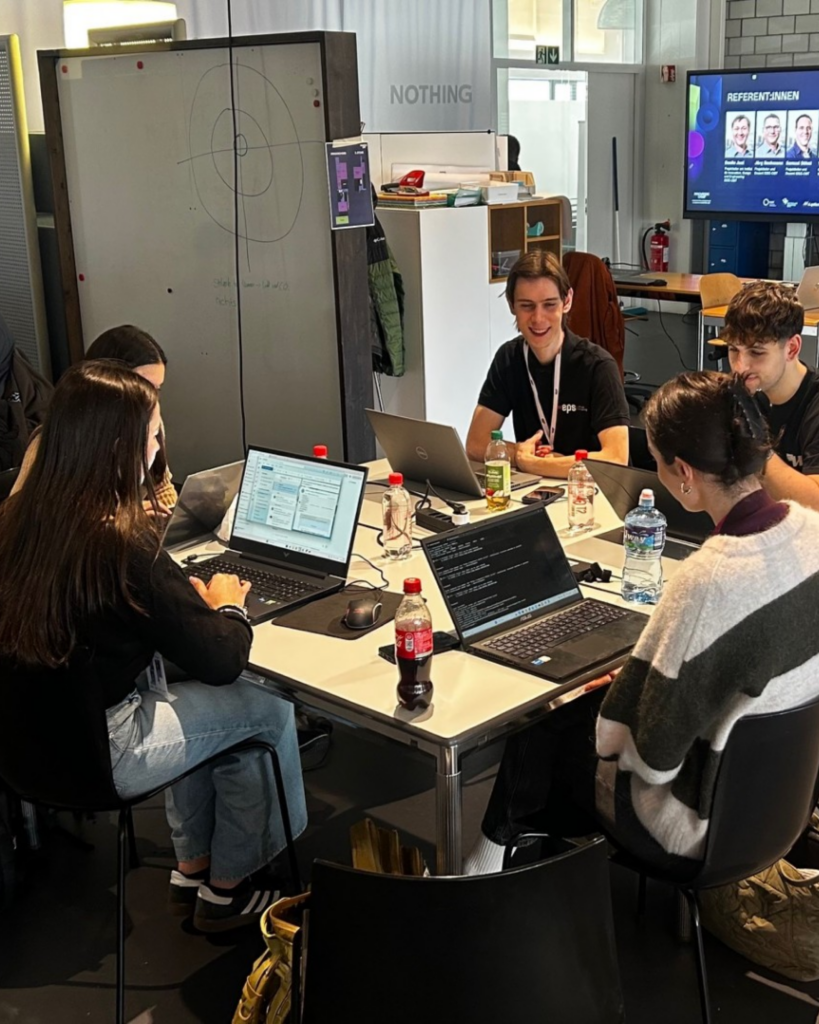
The format is simple: companies present real-world problems, and teams develop solutions in one day. Digital prototypes are created in the hackathon, while haptic and mechatronic approaches are developed in the makeathon.
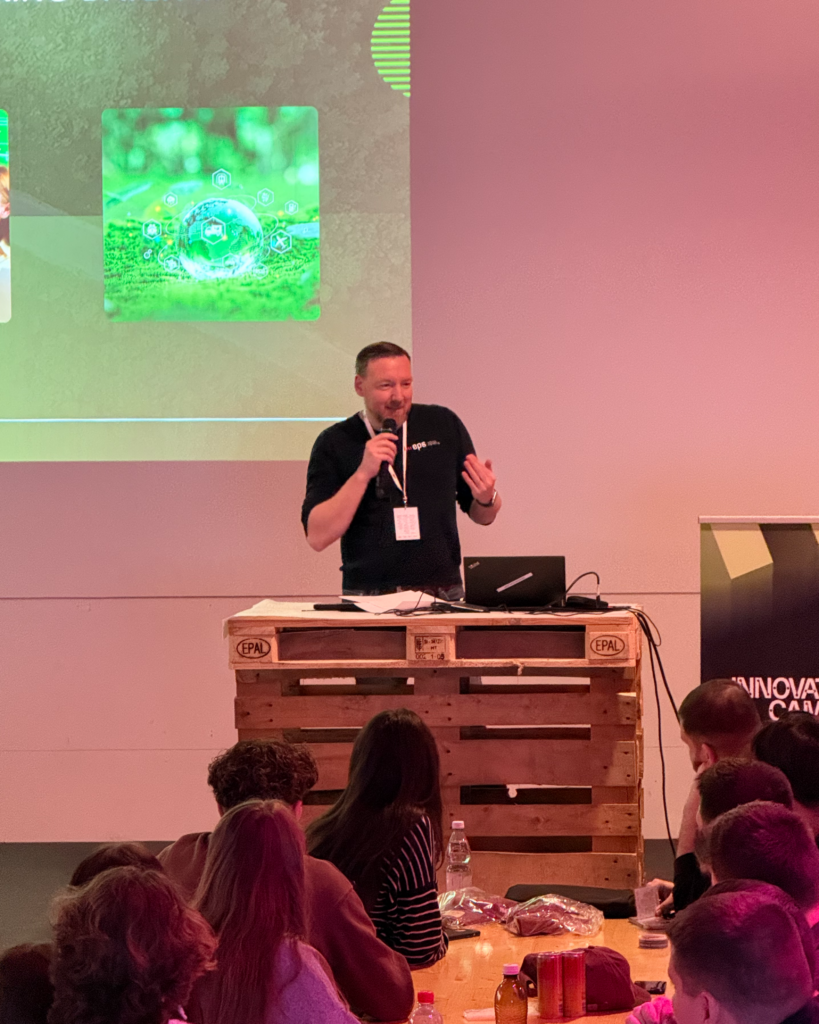
Three minutes. That’s how much time Daniel Schippers had to get young talents excited about a problem that has been on our minds at EPS for quite some time: “To what extent can existing GPS data be used to gain insights that both promote environmental sustainability and create economic added value?”
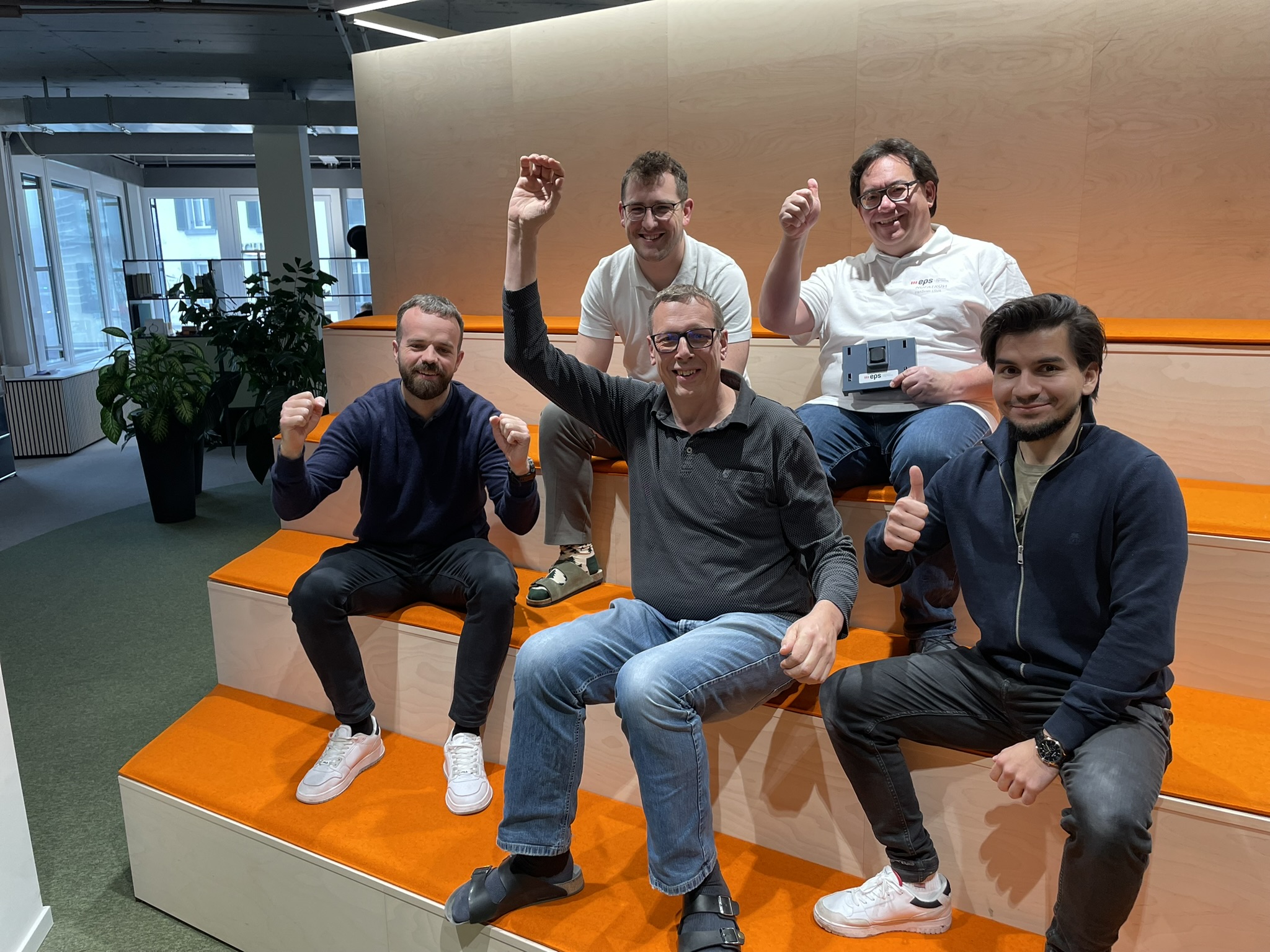
The whole weekend was characterized by a great atmosphere and an impressive team spirit across all EPS teams. In the evenings, we played cards, discussed and laughed. And the boys went in search of a cool party later in the evening. There was something for everyone and a huge thank you went to Ursula. She planned and organized the whole event perfectly!
Perfect match: A team from three countriesThe Innovation Camp presents many challenges and showcases many talents – and team building is a dynamic moment. Elias Götte actively participated in the selection process. By the end of the evening, it was clear: An international team from OST – exchange students from Ireland, Spain, and Mexico – had chosen our challenge. What followed was concentrated work at the highest level: intensive collaboration, characterized by an open atmosphere and a clear common goal – to develop something that would last beyond the workshop and be truly needed. |
Focus on traffic jam emissions: What does standing still really cost?Trucks are stuck in traffic. Engines are running—diesel is burning, CO₂ is escaping. But how much is that actually? This is precisely the question the team is asking: How much additional CO₂ is caused by traffic jams—and how much could be saved if the traffic jams didn’t occur in the first place? GPS data, vehicle behavior, timestamps – the team has developed an approach that turns raw data into a measurable quantity. After all, the same amount of wasted fuel that is burned in traffic jams also means direct additional costs for companies. CO₂ reduction and economic savings go hand in hand here. The first step is transparency: making these figures visible before they can be changed. Elias Götte’s role during the hackathon was clear – less control, more possibilities. He made sure that the basics were right: data quality, technical feasibility, realism. After all, a good idea is only as good as its feasibility.
|
Click here for more info on the Innovation Camp