

AI – TREND

Local AI on Your Own Servers

Local AI on Your Own Servers: Secure, Predictable, and Practical

More and more companies are considering whether to run AI locally on their own servers or in their own data centers. The reason is simple: Running AI directly within your own company allows you to maintain control over data, costs, and use cases.

Together with 4net, EPS demonstrates how companies can use AI securely, predictably, and in a practical way without unnecessary dependence on external cloud services.

Why Local AI Is Becoming Relevant Now

For a long time, AI was considered a cloud-based topic. Anyone who wanted to use powerful models had to rely on external platforms. That is changing right now.

Modern open-source models, powerful GPUs and more readily available infrastructure now make it possible to run AI in your own data center. This makes an approach feasible that is particularly attractive to many companies: on-premises AI with direct access to internal data.

This isn’t just a technical issue. Above all, it’s a strategic decision.

AI Is Moving Beyond the Cloud

Modern Models and GPUs Make Local AI Possible

Direct Access to Internal Data

A Strategic Decision, Not Just IT

Why Companies Are Considering On-Premises AI

Many companies want to use AI, but not every solution is suitable for a public cloud. Typical reasons for on-premises AI include:

Greater control over sensitive data

Predictable costs rather than usage-based costs

Less dependence on external pricing

Ability to use AI even without a constant internet connection

Targeted integration into existing systems and apps

On-premises AI is therefore not just a technical issue. It is a strategic option for companies that want to control and deploy AI over the long term.

Greater Control Over Data and Operations

EPS_Data_Security_Lock_HD

Those who run AI locally decide for themselves where the solution runs and how data is processed. This is particularly relevant when internal information must remain protected or when companies deliberately choose not to migrate their systems to a public cloud.

This approach also provides greater clarity in terms of operations. Infrastructure, access, and use cases can be tailored specifically to a company’s own requirements.

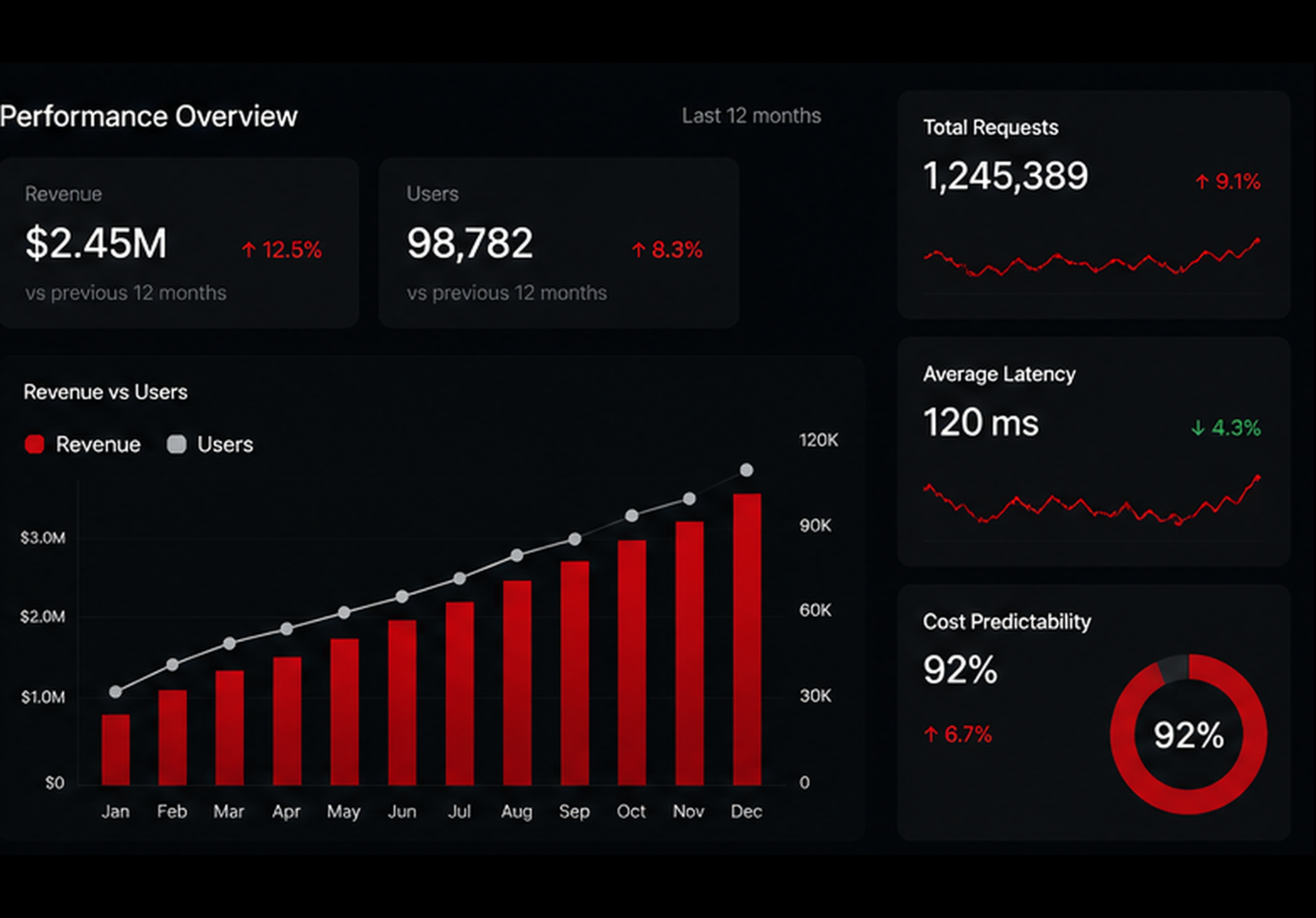
Predictable Costs Instead of Variable Fees

Predictability graph

Cloud AI is often billed per user, per query, or based on data volume. While this may seem attractive at first, it quickly becomes difficult to budget for as usage grows.

On-premises AI offers a different approach:
The costs for hardware, operations, and integration are easier to plan for.

This is particularly advantageous when AI is used regularly or integrated directly into applications.

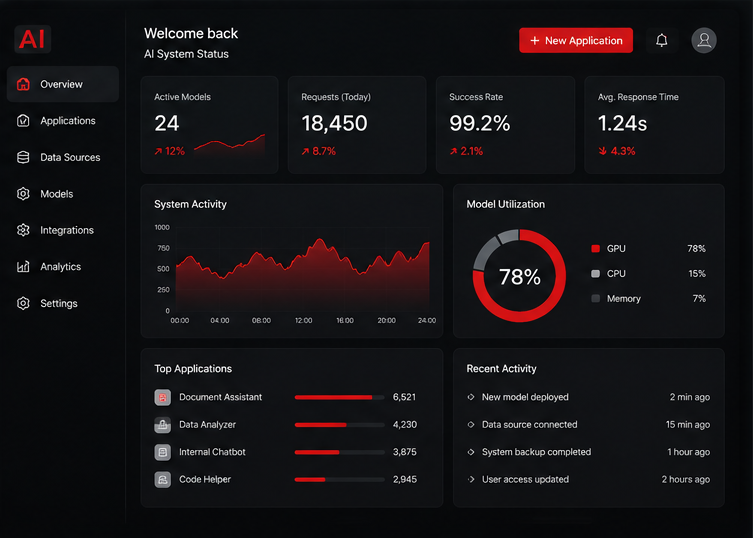
Integrating AI into Applications in a Targeted Manner

Intergrating AI

The greatest added value is created when AI is available where it’s needed: in existing processes, line-of-business applications, and internal tools.

This is exactly where 4net and EPS complement each other:

  • 4net provides the right infrastructure and the appropriate operating environment.

  • EPS integrates AI specifically into applications and concrete use cases.

The result is a solution that isn’t isolated from day-to-day business operations but delivers real value in everyday work.

Not Every Task Requires a Large Model

Many companies do not need general-purpose AI for every conceivable task. Often, a smaller, specialized model that serves a clear purpose is sufficient.

For example:

An internal knowledge assistant

A chatbot for a specific process

AI features in a line-of-business application

Document analysis using internal data

Smaller models can be efficient, fast, and cost-effective. What matters is not the maximum model size, but the concrete benefits in everyday use.

Important Questions to Ask Before Getting Started

Before implementing AI, companies should first and foremost clarify these questions:

What problem is AI supposed to solve?

A clear use case is the most important foundation.

This question directly influences the architecture and operating model.

Not every use case requires expensive specialized hardware or a large model.

The benefits increase when AI is integrated directly into existing applications.

EPS und 4net als Partner für lokale KI

For local AI, companies don’t need a siloed solution, but rather a setup that brings infrastructure and applications together.

The result is an AI solution that:

4Net logo small

4net builds the IT foundation

Provides support in selecting the right operating model and infrastructure.

EPS Icon B

EPS makes AI usable in everyday work

Ensures that the AI solution is usable in practice—integrated, targeted, and tailored to specific needs.

Conclusion

For many companies, on-premises AI is a realistic and cost-effective alternative to the cloud. It provides greater control over data, more predictable costs, and more flexibility for customized integration.

EPS and 4net help companies implement this approach properly, both technically and functionally—from the infrastructure to the specific application.

Our Experts

EPS

Manuel Eugster

CTO

4net

Markus Kaiser

Business Unit Lead Sales & Marketing

tranSvias Team
Yeesss - wir haben es geschafft!!!

tranSvias LSVA ist offiziell NETS-zertifiziert!

Herzlichen Dank unseren Pilotkunden für ihre Geduld, das ehrliche Feedback und Vertrauen!